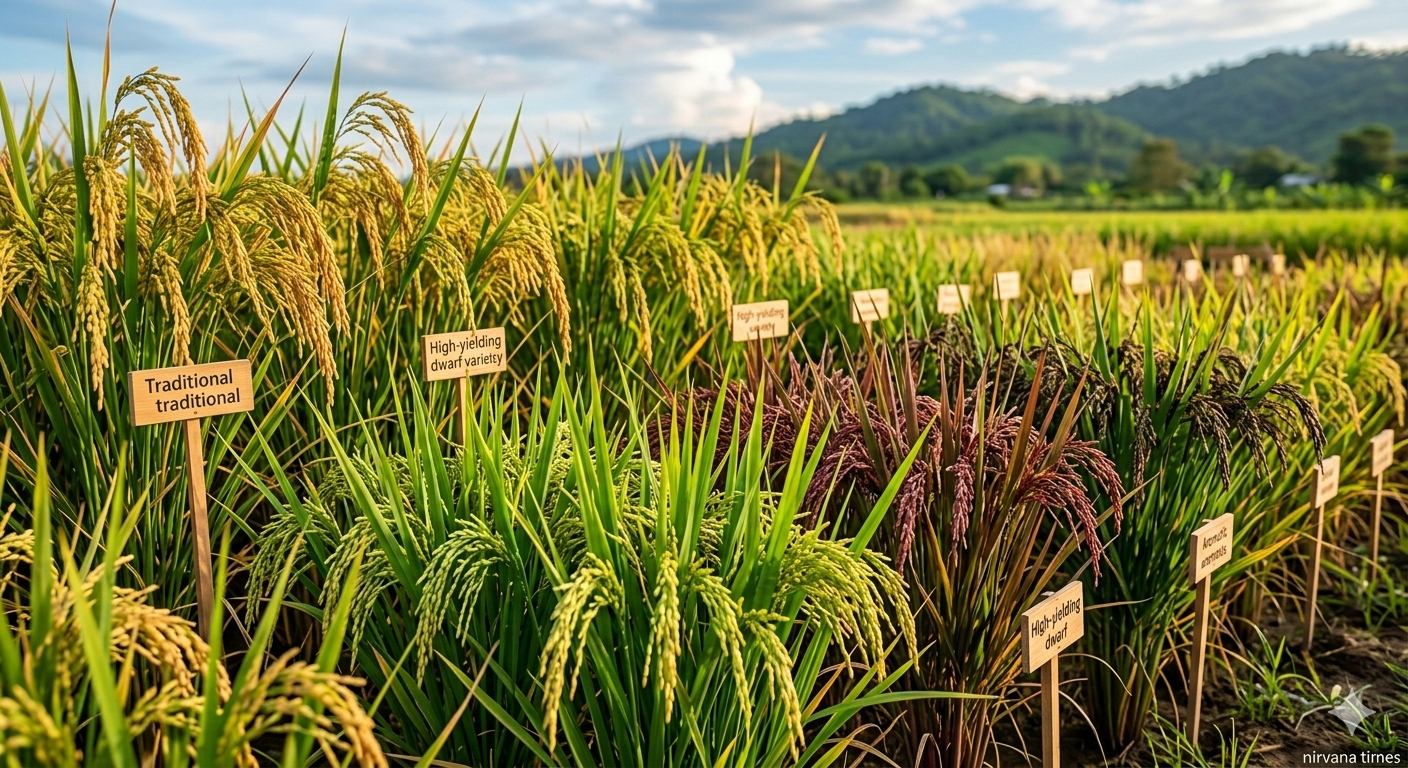
We often assume that polished white rice is the default staple for every household. We walk into a shop and buy whatever is available, rarely asking whether it truly suits our body, age, health condition, or lifestyle.
But rice is not just a filler food. For thousands of years, India cultivated diverse traditional paddy varieties that nourished communities not only with calories, but with strength, immunity, and healing value. Each variety carries its own nutritional signature. Choosing the right rice can be a powerful step toward better health.
Here is a detailed look at fifteen ancient rice varieties and their health significance.
1. Rakthashali
A red, fine grain variety with a crop cycle of about 110 to 115 days. Rakthashali is deeply rooted in Ayurvedic tradition and is believed to balance the three doshas Vata, Pitta, and Kapha. With a history of over three thousand years, it is considered one of the most nourishing red rice varieties. Known by names such as Erra Saali and Rakthasali, it is often regarded as a near medicinal grain.
2. Karpoo Kavuni
A black, long grain rice harvested in 110 to 120 days. This variety is often associated with weight management and cholesterol reduction. It is also believed to have antioxidant properties and is sometimes called an anti aging rice due to its rich phytonutrient content.
3. Kullakar
A red, bold grain rice with a 110 to 115 day cycle. Traditionally recommended for pregnant women, it is believed to support healthy childbirth. Rich in manganese, vitamin B6, calcium, protein, carbohydrates, potassium, and fiber, it also aids memory development in children.
4. Poongar
Another red, bold grain variety harvested in 95 to 115 days. High in protein and nutrients, it stimulates appetite and builds strength. It is traditionally considered beneficial during pregnancy and for overall vitality.
5. Mysore Mallige
A white, fine grain variety with a 110 to 120 day cycle. It provides essential nutrients for growing children and supports immune development. It is especially recommended for children’s regular meals.
6. Kuzhipaathaliya, Sannajajulu, Chintaluru Sannalu, Siddha Sannalu
These are white, fine grain varieties harvested in about 120 to 125 days. They are low in fat, free from sodium, and relatively low in calories. With slower glucose release, they can be suitable for people managing blood sugar levels and help strengthen immunity.
7. Ratnachodi
A white, fine grain variety harvested in 130 to 135 days. It is nutrient dense and supports muscle development and body balance. Historically, it was used as food for warriors due to its strength building qualities.
8. Bahuroopi, Gurumattiya, Veduru Sannalu
White, bold grain varieties rich in fiber. They contain higher levels of calcium, iron, and zinc. These varieties may support joint health and overall immunity.
9. Narayana Kamini
A white, fine grain variety harvested in 130 to 140 days. Rich in fiber and calcium, it supports bone strength and may help reduce joint discomfort.
10. Ghani
A small, white grain variety harvested in 125 to 130 days. High in calcium and iron, it supports physical strength. It is also resilient in cultivation and suitable for monsoon conditions.
11. Indrani
A white, fine, aromatic variety harvested in 120 to 125 days. It contains calcium, iron, and vitamin D. It strengthens bones and improves digestion, making it suitable for both children and adults.
12. Illapu Samba
A white, fine grain rice with a longer crop cycle of 140 to 145 days. Traditionally believed to support people dealing with migraines and sinus issues, it also enhances immunity.
13. Chitti Muthyalu
A small, white grain with mild aroma. Ideal for temple offerings, tamarind rice, and biryanis. It supports immunity while offering pleasing texture and flavor.
14. Desi Basmati
A white, long grain aromatic rice suitable for biryanis and festive dishes. It is relatively light and easy to digest when consumed in moderation.
15. Kalajeera
A small, aromatic white grain sometimes called baby basmati. It is prized for its fragrance and suitability for special dishes.
The Larger Message
Rice is not merely a staple; it is a living heritage. The shift toward highly polished white rice has distanced us from nutrient rich traditional grains that once sustained generations.
By understanding these ancient varieties, we reconnect with wisdom that valued food as medicine. Choosing the right rice according to our body’s needs can improve immunity, strengthen bones, enhance digestion, and support long term wellness.
Healthy living begins not with expensive supplements, but with mindful food choices. Sometimes, the answer lies in returning to what our ancestors already knew.
How did this article make you feel? ఈ కథనం మీకు ఎలా అనిపించింది?